Updated September 2026. Written and checked by the technicians at Safe & Secure Locksmith, 4105 Macdonald St, Vancouver. Every figure below matches our published price list. Call 604-734-7233 for a quote before anyone is dispatched.
The lock is almost never the way in
Picking a lock is a skill that takes months to learn and produces no reward that a boot cannot produce in two seconds. So it essentially does not happen in residential break-ins. What happens instead is force applied to whatever is weakest, or a door or window that was simply open.
That is good news, because the weak points are cheap to fix. The money people spend on an expensive deadbolt bolted into a soft jamb would do far more good spent on the jamb.
1. The door frame, not the door
A kicked door almost never breaks at the lock. It breaks at the jamb, where a thin strike plate is held by two short screws that reach into soft trim wood and stop. The bolt stays in the plate and the plate leaves the frame.
The fix costs very little: a reinforced strike plate with three-inch screws that reach through the jamb into the stud behind it. Same for the hinges, because a door can be forced on that side too. This is the highest-value security upgrade in most houses and it is measured in dollars. The detail is in why your strike plate matters more than your lock.
2. Doors and windows that were not locked
A large share of break-ins involve no force at all. A back door left on the latch, a ground-floor window open for air, a patio slider that looks closed and is not, a garage side door nobody thinks of as a real door.
The fix is a habit and a five-minute walk. Every exterior door and every ground-floor and basement window, every night and every time the house is empty. Sliders need a bar or a pin in the track, because a closed slider with a factory latch lifts out of its channel easily.
3. The garage
Garages are treated as outbuildings and are usually the softest entry on the property. The side door often has a knob lock and no deadbolt. The overhead door emergency release can be reached with a wire through the top gap on many installations. And once inside the garage, the intruder is out of sight of the street with as long as they want on the internal door.
Fixes: a real deadbolt on the side door, a shield or a zip tie on the emergency release following the manufacturer's guidance, and treating the door from the garage into the house as an exterior door with an exterior-grade lock. Related: garage door repair.
4. Sightlines and lighting
The entry point that gets chosen is the one nobody can see. Overgrown hedges beside the front door, a tall fence with a gate around the side, a dark passage between houses: those are the invitation.
Cut shrubs back below window height, put motion lighting on the side and back approaches, and make sure the front door is visible from the street. None of this is a locksmith bill.
5. Keys hidden outside
Under the mat, in the fake rock, on the ledge above the door, in the barbecue. All of these are checked, all of them are found, and finding one turns a forced entry into a clean entry with no evidence for an insurance claim.
If you need outside access, use a proper key safe with a real shackle and a scrambled code, and mount it somewhere other than immediately beside the door it opens. Better still, leave a spare with a neighbour.
6. Sliding doors and old windows
Aluminium sliders from the 1970s and 1980s are common in Vancouver and their latches are decorative. A bar in the track, an anti-lift pin through the frame at the top, and film on the glass are all cheap. Basement windows with painted-shut latches that no longer engage are worth ten minutes each.
What to spend money on, in order
Reinforce strike plates and hinges on every exterior door. Fix the garage. Deal with the sliders. Cut back the hedges and add motion lighting. Then, and only then, look at the cylinders. If you have just moved in or lost a key, rekeying is the right cylinder spend at $25 to $45 per cylinder: see rekeying versus replacing and lock rekey Vancouver.
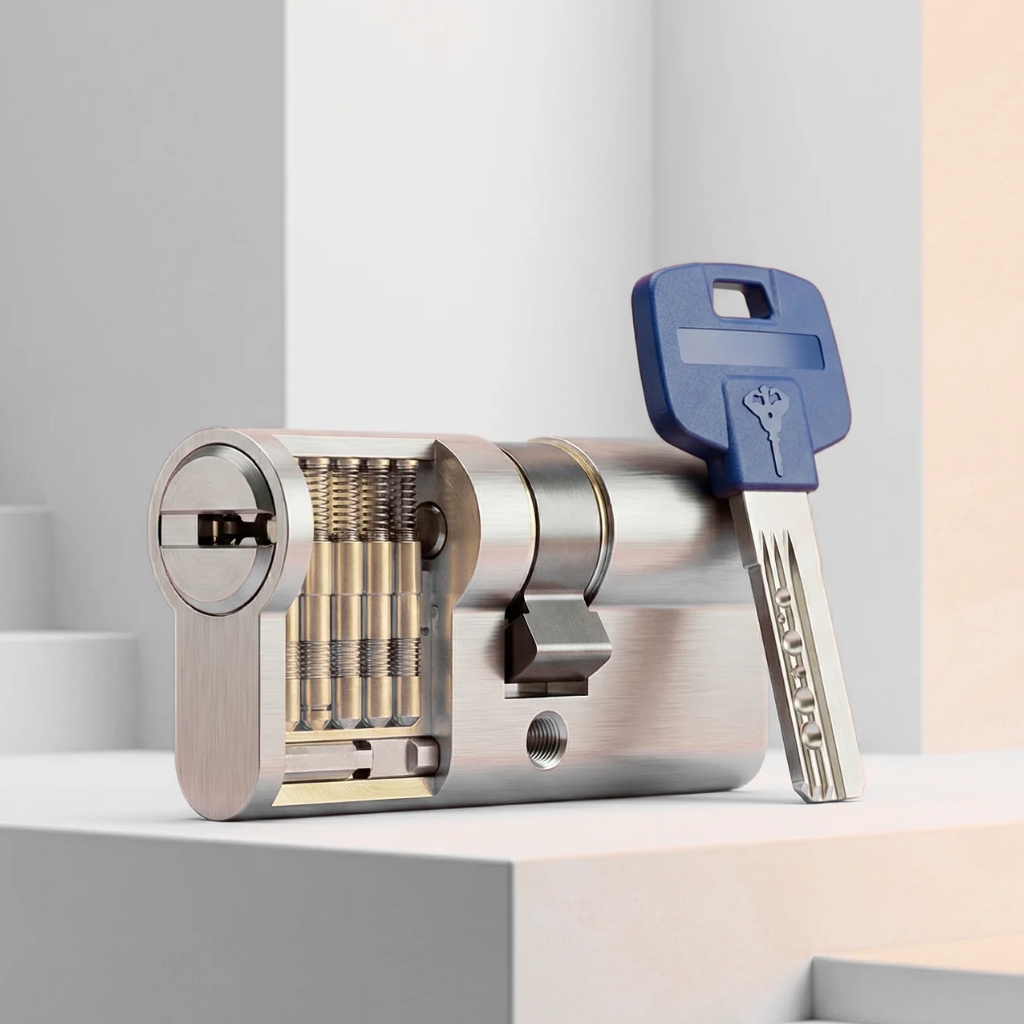
Upgrading to a high-security cylinder is worth it when the specific risk is key copying or a targeted attempt rather than opportunistic force: high security locks. The wider checklist is in home safety tips.
If it already happened
Call police first and photograph everything before you touch it. Then rekey or replace whatever was compromised, and fix the point of entry rather than only the lock that was near it. We do same-day work for that: 604-734-7233, or the residential locksmith page.
Article history
Updated September 2026. This page now carries the material from two older posts on lock upgrades and garage security, so there is one article on how entry actually happens instead of three overlapping ones.