Updated September 2026. Written and checked by the technicians at Safe & Secure Locksmith, 4105 Macdonald St, Vancouver. Every figure below matches our published price list. Call 604-734-7233 for a quote before anyone is dispatched.
One is a shape, one is a shape plus a conversation
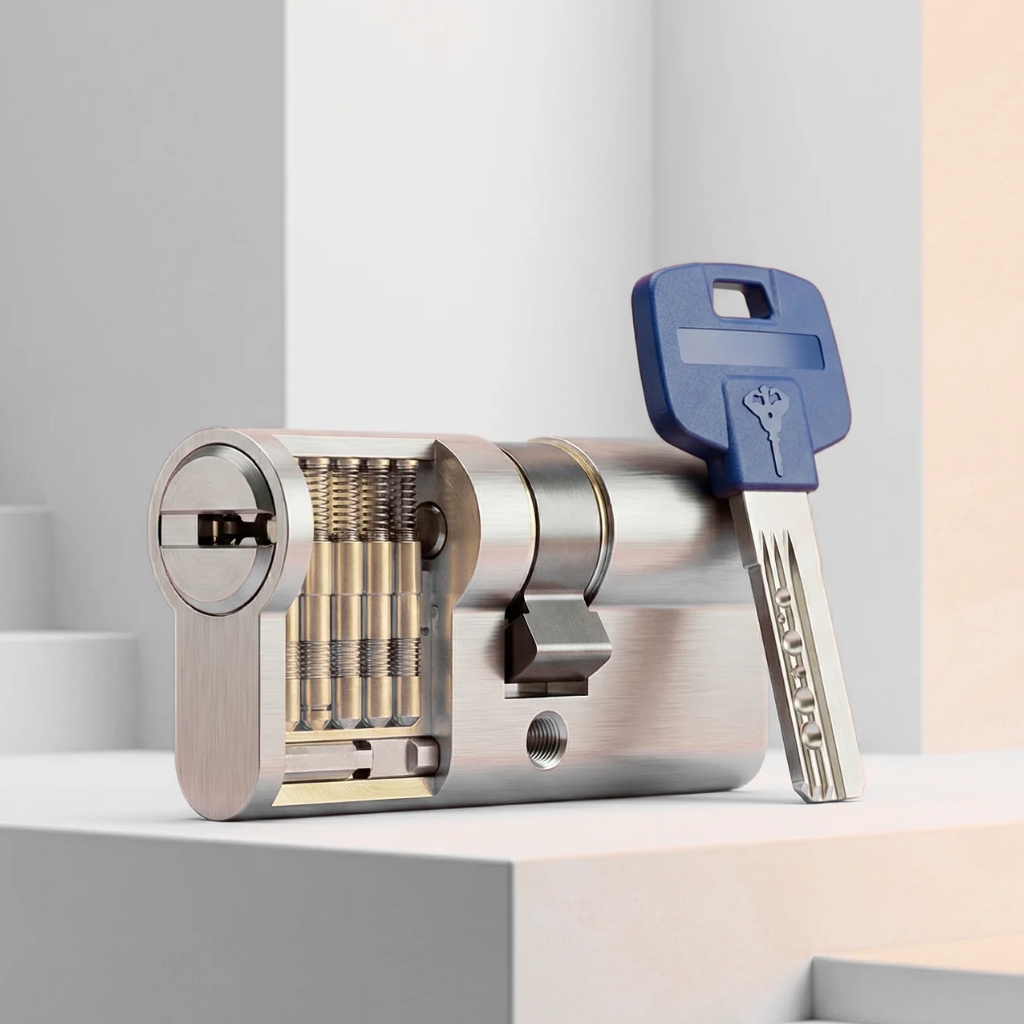
A traditional car key is purely mechanical. Cut the same shape and it works, which is why a 1992 Civic key could be copied at any counter for a few dollars. A transponder key is that same mechanical blade with a small chip embedded in its head, and the chip has to satisfy the car's immobiliser before the engine will run.
Everything else about the price difference follows from that. A house key is $5 to $15. A programmed transponder car key is $180 to $280. The gap is not the metal.
How the immobiliser works
Turn the ignition and an antenna ring around the lock barrel energises the chip in your key head. The chip has no battery: it draws power from that field, which is why a transponder key still starts the car when the remote buttons are dead. It answers with a code. The engine control unit compares that code with the ones it has stored and only then allows fuel and spark.
If the code does not match, the car will crank and stall almost immediately. That specific symptom, turning over then dying within a second or two, is the classic signature of a key problem rather than a battery or a starter problem.
Why theft rates fell
Immobilisers became standard through the late 1990s and 2000s and they worked. Hot-wiring, which was the dominant method of stealing cars, stopped being viable because bypassing the ignition switch does not satisfy the immobiliser. Vehicle theft rates dropped sharply and stayed down.
The trade-off was moved onto the owner. The security that made your car hard to steal is the same security that makes a replacement key a specialist job with equipment, credentials and a proof-of-ownership check.
The types you will meet
Traditional mechanical key
No electronics. Common on vehicles up to the mid 1990s and still used on trailers, older motorcycles and some equipment. Duplicated in minutes at the counter.
Transponder key
Blade plus chip, usually a chunky plastic head. Has to be cut and programmed. $180 to $280 as a programmed spare.
Remote head key
A transponder key with the remote buttons built into the head. The remote uses a battery; the transponder does not.
Proximity smart key
No blade in normal use. The car detects the fob nearby and a button starts it. Most have a hidden emergency blade and a backup start position. $280 to $420 as a spare.
High-security laser cut
A blade with a milled channel down the face rather than cuts along the edge. Needs a different cutting machine and is much harder to pick or impression.
What this means for copying
A key kiosk cannot make a working car key. It can cut a blade that opens the door, which is genuinely useful as an emergency door key, and that is all. Anything that starts the engine needs the programming half, which needs diagnostic equipment and access to the car.
This is also why the number of keys matters so much. With a working key present, a spare is routine. With no working key, the vehicle has to be read rather than copied, and that job starts at $180. The full sheet is on the prices page and the process is in getting a transponder key without the dealership.
Practical consequences
Three things follow, and they are worth acting on. Cut a spare while you still have a working key, because that is the cheapest version of this transaction that exists. Keep the two keys in different places, because both in one bag is one loss event. And do not put the only key on a heavy keyring, because the weight wears the ignition cylinder and eventually becomes an ignition repair.
Batteries, chips and confusion
People often assume a dead key is a dead chip. Usually it is not. The transponder is passive and does not fail with the battery. If the remote buttons stopped working but the car still starts when you insert the key or hold the fob to the start button, it is a battery or a remote fault, not a transponder fault. The triage is in key fob not working.
Where it is going
Phone-as-key and rolling digital credentials are arriving on new vehicles, which moves the same problem into a different place: account access rather than a physical key. The old failure mode was losing metal. The new one is losing an account. Either way, having a second credential before you need it is the answer. Our automotive work is described on the automotive locksmith page.
Article history
This article replaces the earlier post Understanding Transponder Keys Vs Traditional Keys Key, rewritten in September 2026 with current prices and working links.