Updated September 2026. Written and checked by the technicians at Safe & Secure Locksmith, 4105 Macdonald St, Vancouver. Every figure below matches our published price list. Call 604-734-7233 for a quote before anyone is dispatched.
Yes, with two conditions
A vehicle identification number can be used to look up the key code, and that code lets a locksmith cut a key to the manufacturer's original specification. It is the cleanest way to produce a working blade when you have no key at all, or only a worn one.
The two conditions are simple. You have to prove you own the vehicle, and cutting the blade is only half the job on anything built in the last twenty-five years, because the key also has to be programmed to the car.
What the key code is
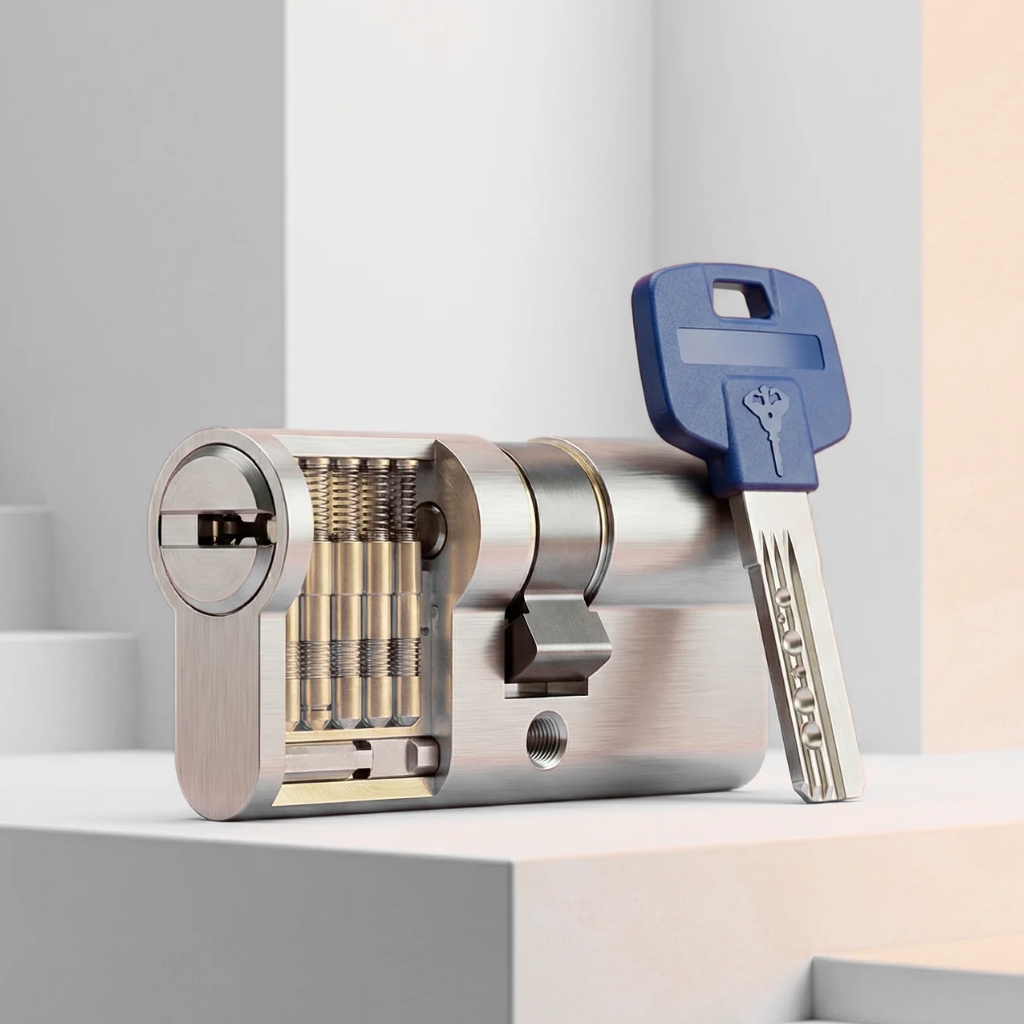
Every factory lock is cut to a specific pattern, and that pattern is recorded as a code tied to the vehicle. Given the code, a key machine cuts a blade to the factory depths directly. That is different from duplication, which traces the shape of a key you hand over.
The difference matters more than it sounds. A key that has been in a pocket for eight years is worn, and a copy of it is a copy of the wear. Cut to code, the new key is the shape the lock was built for, which is why a fresh coded key often turns more smoothly than the original you have been using.
Why proof of ownership is not a formality
If a VIN alone produced a working key, every car in every parking lot would be openable by anyone with a phone camera and the windscreen in view. The VIN is visible from outside the vehicle by design, so it cannot also be the credential.
Bring vehicle registration or insurance papers in your name plus government photo identification that matches. If the car is in a company name, bring something that connects you to the company. If you have just bought it privately and the paperwork is not transferred yet, bring the bill of sale and the previous registration. We check, every time, and a shop that does not is one you should not use.
The chip is the other half
A blade cut to code will turn the lock and, on a car old enough, start the engine. On anything with an immobiliser, which is effectively everything since the late 1990s, the engine will crank and die unless the transponder in the key head has been paired to the vehicle.
Programming is a separate operation with its own equipment and, on some platforms, a manufacturer security code and a timed procedure. This is why a key cut from a code at a hardware counter does not start a modern car. The background is in transponder keys versus traditional keys, and the service page is car key replacement.
When the code is not available
Some manufacturers restrict key codes to franchised dealers, and some older records simply do not exist. There are still routes. A technician can read the code from the lock itself by decoding the door cylinder or the ignition, which takes longer but does not depend on anyone's database. On many platforms the immobiliser can be read directly through the diagnostic port.
That is why an all-keys-lost job is quoted as a range rather than a flat price: which route is available depends on the make, the year and sometimes the individual vehicle. It starts at $180 and the full sheet is on the prices page.
What it costs
If you have a working key and want a spare, a programmed transponder key is $180 to $280 and a proximity smart key is $280 to $420. European luxury platforms run $400 to $900. All keys lost starts at $180 and moves with the make, because the reading and programming take longer. Detailed breakdown in what a car key replacement costs.
What to have ready when you call
Year, make and model. Whether the key is a blade you insert or a fob you keep in your pocket. Whether you have any working key at all. Where the car is, and whether it can be driven or has to be worked on where it sits. With those five answers we can give you a real number on the phone rather than a guess in your driveway. Call 604-734-7233 or book a time online.
Dealer, locksmith, or online
A dealer can always do it and usually charges the most, partly because a car that will not start has to get there. A locksmith with automotive equipment does the same work in the shop or at the vehicle, at published prices, on the makes listed on our automotive locksmith page.
Ordering a blank online and having it cut locally sometimes works and sometimes produces a chip no programmer will accept. If you want to try, send us the part number before you buy and we will tell you honestly whether we can program it.
Keep the code
Once a key has been cut to code for your vehicle, ask for the code and keep it somewhere that is not the car. Next time, the whole first half of this article is skipped. The same applies to house keys: a key cut to a registered code beats a fifth-generation copy, which is covered in what key cutting costs.
Article history
This is the rewritten version of New Key With VIN Number, updated September 2026 with current prices, an honest account of what the VIN does, and links that resolve.