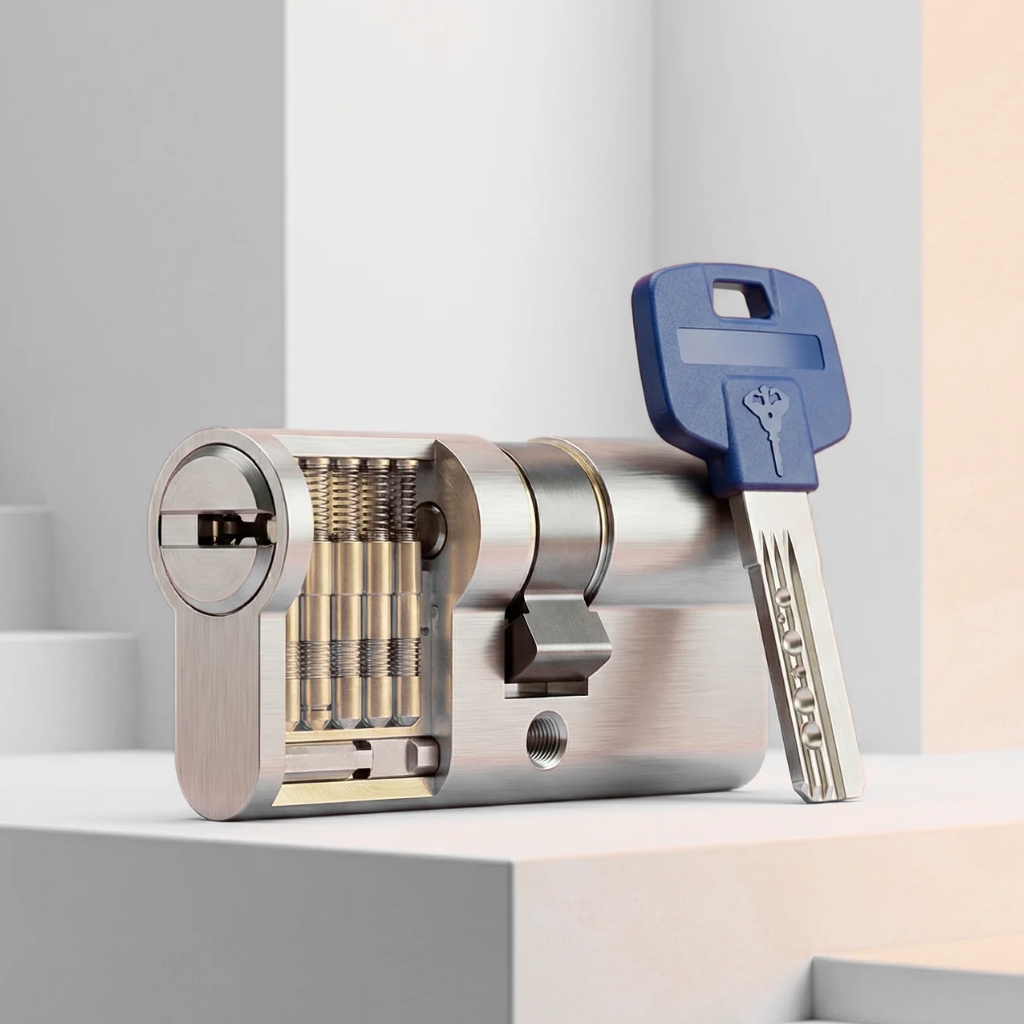
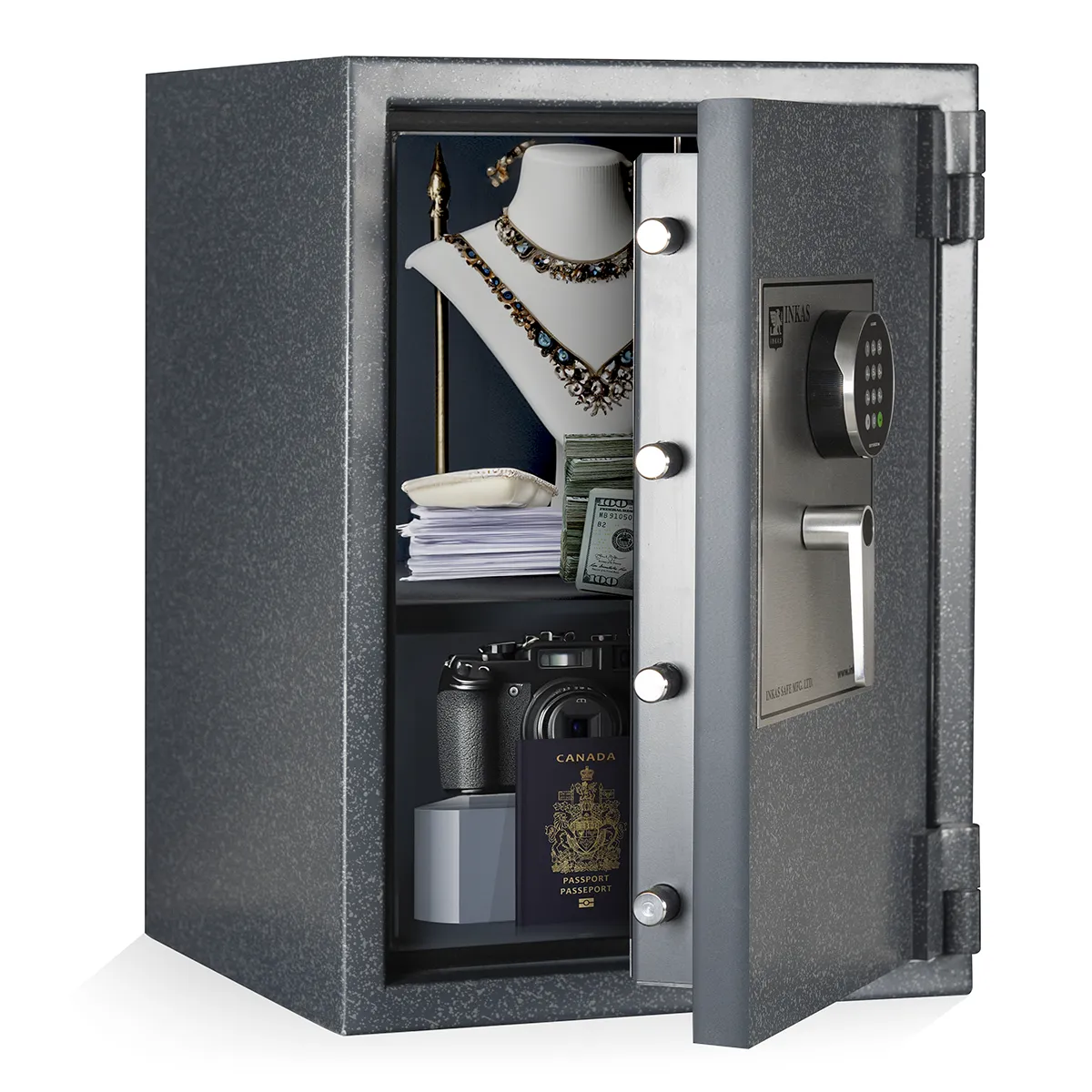
Rekeying a lock is one of the simplest ways to upgrade your home security without replacing the entire lock. Instead of swapping hardware, the internal pins inside the lock cylinder are adjusted so your old key no longer works and a new key becomes the only one that opens it. If you’re moving into a new home, had keys lost or stolen, changed tenants, or just want tighter control over access, rekeying is often the fastest and most cost-effective move. And when rekeying isn’t the best fit—like after damage or when upgrading to smart locks—lock replacement becomes the better option.
Key Takeaways
Rekeying changes a lock’s internal pins so old keys stop working and new keys work.
Rekeying is typically faster and more affordable than replacing the entire lock.
Replacing a lock is better when the lock is damaged, outdated, or you want a security/feature upgrade.
Rekeying is ideal after moving, key loss, tenant turnover, or when you want one key for multiple locks.
DIY kits exist, but professional rekeying reduces mistakes and ensures everything works smoothly.
Understanding What Rekeying a Lock Means
Rekeying means altering the internal configuration of your existing lock cylinder so it accepts a new key and rejects the old one. The outside hardware stays the same, which is why rekeying is usually quicker and less expensive than replacing locks—especially when you have multiple doors. It’s primarily about access control: you keep the lock, but change who can use it.
How Rekeying Differs From Replacing a Lock
Rekeying and replacing solve different problems. Rekeying is about key control—your lock stays in place and only the key changes. Replacing is a full hardware change—the old lock is removed and a new lock is installed. If your current lock is in good shape and you simply want to stop old keys from working, rekeying is usually the best option. If the lock is worn out, damaged, compromised, or you want an upgrade (like a smart lock or higher-security deadbolt), replacement is the better choice.
Feature
Rekeying
Replacement
Cost
Usually lower
Usually higher
Time
Faster
Longer (fit + install)
Hardware
Keeps existing lock
New lock hardware
Security Upgrade
Resets key access
Can add advanced features
Best for
Moving, lost keys, tenant changes
Damage, break-ins, smart/high-security upgrades
The Basic Process of Rekeying a Lock
Rekeying is a precise process that changes the lock’s internal pin setup to match a new key. In general, the locksmith accesses the cylinder, removes the old pin combination, and installs a new pin configuration that matches the cuts of your new key. Once reassembled, the lock is tested to confirm smooth operation. If you want fewer keys to manage, compatible locks can often be keyed alike so one key works across multiple doors.
Why Rekeying Is a Cost-Effective Option
Rekeying is cost-effective because you’re not paying for new lock hardware—you’re paying for the labor and small internal components. That matters if you have multiple entry points. If your existing locks are still in good condition, rekeying delivers a strong security reset at a lower cost than replacing everything.
Key Benefits of Rekeying Your Locks
Enhanced Home Security and Peace of Mind
Rekeying gives you immediate control over access. Any old keys—whether held by previous owners, contractors, cleaners, old roommates, or past tenants—stop working. It’s a direct way to reduce risk without waiting for a lock failure or a security scare.
Convenience of a Single Key for Multiple Locks
If your locks are compatible, rekeying can simplify your keyring by making multiple doors work with the same key. That’s especially helpful for households with several entrances or for rental properties where managing keys can get messy fast.
Cost Savings Compared to Lock Replacement
Replacing locks is the right call when you need an upgrade or the hardware is failing. But if your locks are still solid, rekeying typically costs less while still achieving the main goal: changing access. It’s a practical choice when you want security improvements without replacing good hardware.
When Should You Consider Rekeying Your Locks?
After Moving Into a New Home
When you move, you can’t be sure how many copies of the old keys exist or who might still have them. Rekeying gives you a clean slate and ensures only your new keys work from day one.
Following a Lost or Stolen Key Incident
Losing keys can create uncertainty—even if you think they’ll never be found. Rekeying removes that risk by making any missing key useless, often faster and cheaper than replacing every lock on the property.
After a Change in Roommates or Tenants
If someone moves out, even if they return their key, you can’t know whether copies were made. Rekeying between tenants or roommates is a simple step that protects everyone involved and helps prevent avoidable access issues later.
How Rekeying Can Improve Your Home’s Security
Preventing Unauthorized Access
The biggest security benefit is straightforward: old keys stop working. That alone prevents many common “unknown access” risks—especially after moves, tenant changes, or key-sharing situations.
Customizing Locks to Fit Your Needs
Rekeying lets you control access in a way that fits your home. You can rekey exterior doors to one key for convenience, keep certain interior doors separate if needed, and update access anytime your situation changes. It’s flexible without requiring a full hardware overhaul.
Integrating Rekeying With Other Security Measures
Rekeying can be paired with other upgrades such as better strike plates, reinforced door hardware, high-security cylinders, or smart lock additions. In some cases, the best approach is a combination: rekey the locks that are in good shape and replace the locks that are outdated, damaged, or being upgraded for features.
DIY Rekeying vs. Hiring a Professional Locksmith
Pros and Cons of DIY Rekeying
DIY rekeying kits can work for certain lock brands, but they require careful handling and patience.
Pros: Lower material cost, flexible timing, useful for simple/compatible locks.
Cons: Brand compatibility issues, lost pins/springs, incorrect reassembly, and a higher chance of a lock that sticks or fails unexpectedly.
When to Call a Professional Locksmith
A professional is the better choice if you want multiple locks keyed alike, have higher-security hardware, are dealing with older or sticky locks, or want the job done quickly and correctly. Locksmiths can also assess whether rekeying or replacement makes more sense based on the condition of your existing hardware.
Common Mistakes to Avoid During Rekeying
Using the wrong rekey kit for the lock brand.
Not testing the new key before reinstalling the lock/cylinder.
Mixing pins or losing springs during the process.
Ignoring worn or damaged hardware that should be replaced instead of rekeyed.
Where to Get Your Locks Rekeyed
Services Offered by Locksmiths
Locksmiths can rekey many residential and commercial cylinders, key multiple locks alike, and help you decide when replacement is the smarter option (for damaged locks, break-in situations, or upgrades to smart/high-security hardware). Many also offer mobile service for convenience.
Rekeying Options at Hardware Stores
Some hardware stores offer rekeying for certain lock brands, but services can be limited. Often, you’ll need to bring in the cylinder, and not every lock type or security level can be handled in-store. It can work for simple situations, but it’s not always the best fit for complex setups.
Choosing the Right Service for Your Needs
If you want speed, correct compatibility across multiple locks, and an expert assessment, a locksmith is usually the best choice. If you have a single standard cylinder and are comfortable removing it and transporting it, a hardware store option may be workable. For urgent security resets, locksmith service is generally the most reliable route.
Maintaining Your Rekeyed Locks
Tips for Long-Lasting Lock Performance
Use a silicone-based lubricant occasionally to keep the cylinder smooth.
Avoid oil-based products that can attract dirt and gum up the lock.
Keep keys straight and in good condition to prevent internal wear.
How to Avoid Common Lock Issues
Don’t force a key if it binds—investigate before it breaks.
Tighten loose screws on the lock and handle set.
Address “sticky turning” early before it becomes a full lockout.
When to Schedule Regular Lock Maintenance
Once per year for frequently used doors.
After harsh seasonal weather (rain, humidity, freezing temps).
If you notice grinding, sticking, or unusual resistance.
Wrapping It Up
Rekeying is a smart, practical way to reset who has access to your home without replacing your existing hardware. It’s ideal after moving, when keys are lost, or when tenants change—and it can even simplify your life by making multiple locks work with one key. If your lock is damaged, outdated, or you want to upgrade to smart or high-security features, replacement may be the better option (and sometimes a mix of both is the best strategy). If you’d like help deciding what makes the most sense for your doors, you can request service, contact us, or head back to the homepage to explore your options.
Common questions
What does it mean to rekey a lock?
Rekeying a lock means changing the internal pins/tumblers so the lock works with a new key and old keys no longer work.
How is rekeying different from replacing a lock?
Rekeying keeps the same lock hardware but changes the key that operates it. Replacing a lock removes the old hardware and installs a new lock.
When should I consider rekeying my locks?
Rekeying is recommended after moving into a new home, after losing keys, or after a change in roommates or tenants.
Can I rekey a lock myself, or should I hire a locksmith?
You can rekey some locks with a compatible DIY kit, but a locksmith is the safer option for multiple locks, higher-security systems, older hardware, or when you want it done quickly and correctly.
Is rekeying a lock expensive?
Rekeying is generally more affordable than replacing locks because you keep your existing hardware and only change the internal pin setup.
Can multiple locks be rekeyed to use the same key?
Yes. If the locks are compatible, they can often be rekeyed so one key operates multiple doors for convenience.