Skip to content
POWERED BY lınq
🇨🇦
Locksmith guide · Vancouver

The safest neighbourhoods in Vancouver: a security guide

Eleven Vancouver areas, the way break-ins actually happen in each one, and the cheapest thing that would have stopped it. Written from a licensed lock shop call log, not from a crime map.

Call 604-734-7233

How Vancouver break-ins actually happen

This guide is written from call logs, not from a crime map. Safe & Secure Locksmith has run a lock shop at 4105 Macdonald St since 1992, and the pattern of what we get called out for in each part of Vancouver is remarkably stable. It is also very different from what people expect. Almost nobody we attend has had a deadbolt picked. What they have had is a door kicked at the strike plate, a patio slider lifted out of its track, a mail bank pried with a screwdriver, or a storage locker opened with bolt cutters by somebody who walked in behind a resident.

So the useful question is not which neighbourhood is safest in the abstract. It is what kind of break-in happens where you live, and which of the three or four things you could spend money on actually blocks it. A concrete tower in Yaletown and a 1912 house on Commercial Drive both get broken into, but by completely different methods, and the fix for one is a waste of money in the other.

The eleven areas below cover the parts of the city we are called to most. Each one gets the same treatment: the housing stock, the way in that we actually see, and the cheapest thing that would have stopped it. Where a neighbourhood has its own page, it is linked. Everything else is on the service areas page, and the city wide hub is locksmith Vancouver.

One honest caveat before the list. Reported crime rates move around year to year and vary block by block inside every one of these areas. Nothing here should be read as a claim that one neighbourhood is dangerous and another is not. It is a description of what breaks, and what to do about it.
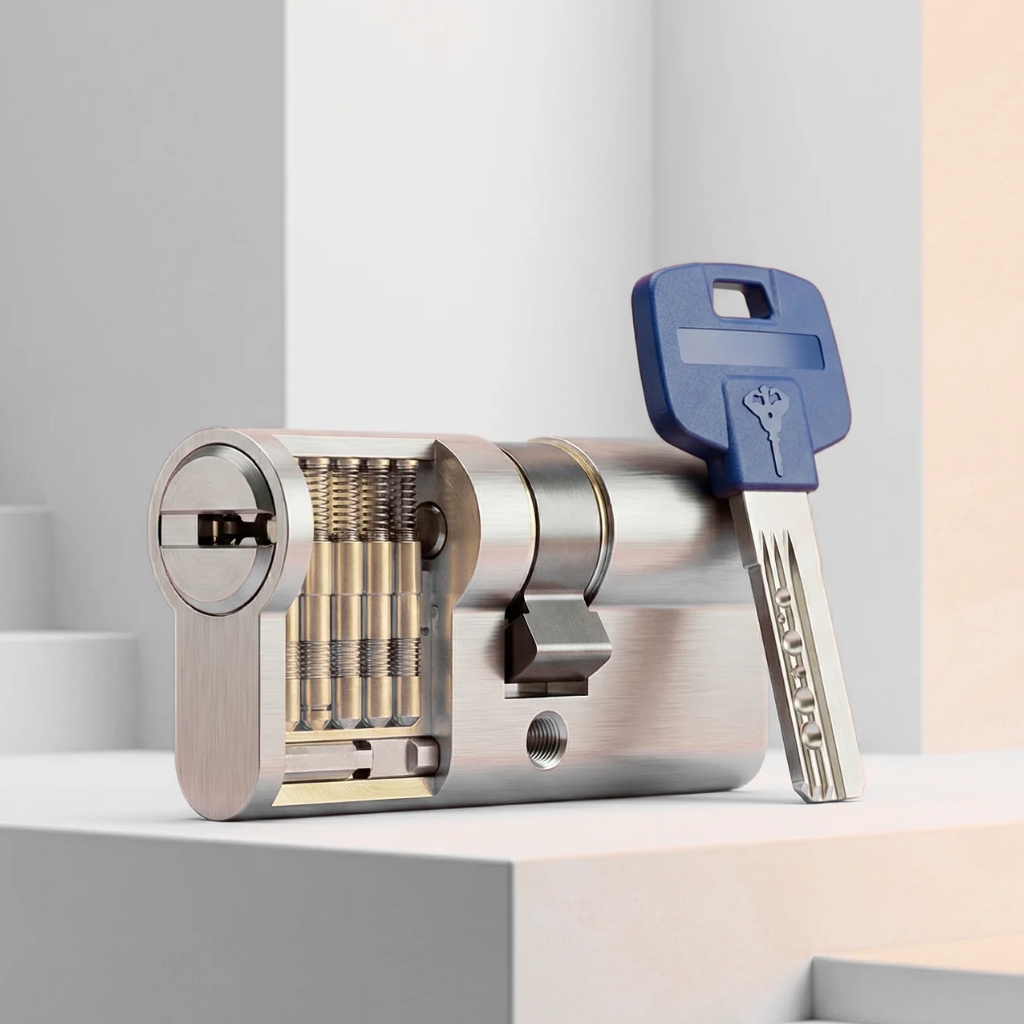
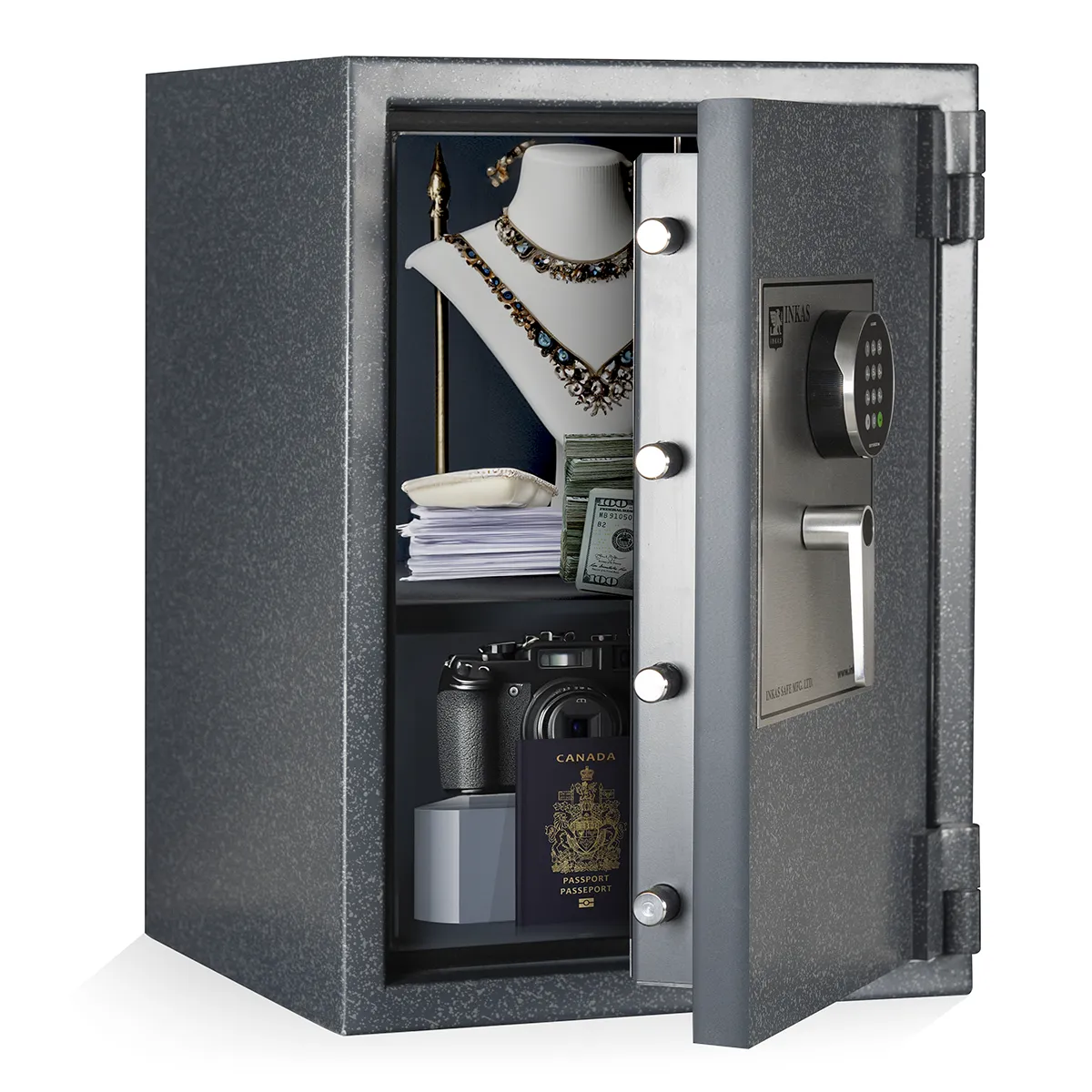
South Main / Mount Pleasant

South Main, the stretch of Main Street from roughly 16th down to 30th that everyone calls SoMa, is old Vancouver housing stock working hard. Character houses from the 1910s and 1920s, most of them cut into an upper suite, a main floor and a basement suite, plus infill duplexes and a strip of small retail. Three or four sets of keys per building is normal, and so is a landlord who has never rekeyed between tenants.

The break-in we attend here is a back door or a basement suite door, kicked once at the lock. Not picked. Kicked. These are original jambs, often softwood, and the strike plate is usually held by two half inch screws into the trim rather than into the framing. The lock survives the kick and the frame does not, which is why we so often arrive to find an undamaged deadbolt still thrown into a splintered doorway.

The fix is unglamorous and cheap. A box strike with three inch screws that reach the stud, and a hinge screw upgrade on the hinge side, turns a one kick door into a five kick door, and five kicks is more noise than anyone is willing to make on a street this dense. After that, rekey the building so the previous tenants and the previous owner's contractor are not still carrying a working key. A rekey is $25-$45 per cylinder with the first two keys included.

Second on the list here is the shared side door and the basement access. Multi suite houses accumulate a side door that nobody has looked at in a decade, often with a 1960s cylinder and a bolt that no longer fully throws. If you own a converted house in South Main, walk the outside of it once and count the doors. Most owners get the number wrong.

Mount Pleasant and the Broadway corridor

North of SoMa the character changes fast. Mount Pleasant proper, from Main and Broadway east to Fraser and north toward Great Northern Way, is where old houses meet light industrial and, increasingly, new mid rise. That mix is the whole story for security, because the three building types fail in three different ways on the same block.

The old houses fail the way South Main does, at the strike plate. The new mid rise buildings fail at the parkade and the storage room, not the suite. The light industrial and studio units fail at the roll up door and the man door beside it, which is very often a hollow metal door in a hollow metal frame with a cylindrical lockset that can be defeated with a pry bar in seconds.

What is specific to this corridor is tool theft. Mount Pleasant has more trades, makers, studios and small fabrication shops per block than anywhere else in the city, and a van or a unit full of tools is a known target. The people doing it are looking for a soft man door beside a strong roll up. Fitting a mortise deadlatch with a guarded cylinder to that man door, and adding an interior latch guard, changes the economics of the attempt completely. A commercial lock change is $80-$380 per door depending on the hardware, and a master key system starts at $300 setup plus $30-$80 per cylinder.

The construction churn matters too. Every renovation hands keys to trades, and very few of those keys come back. If your building has been through work in the last two years and has not been rekeyed since, assume the key count is unknown. See commercial locksmith.

Yaletown

Yaletown is the clearest example in the city of a neighbourhood where the front door is not the problem. Converted Mainland and Hamilton Street warehouses and the Marinaside and Pacific Boulevard towers all have solid core or steel suite doors in steel frames, behind a fob controlled lobby, with cameras and neighbours in between. We are very rarely called to a forced suite door here.

What we are called to is everything on the shared side of that door. Storage lockers in the parkade, cut open with bolt cutters. Bike rooms. Mailbox banks pried at the cam lock. Cars in the stalls. The way in is almost never a defeated lock; it is a tailgated door, somebody walking in behind a resident at the lobby or driving in behind a car at the parkade gate, and then working the soft targets without any hurry.

So the money in Yaletown goes on the locker and the mailbox, not the suite. A shrouded shackle padlock that bolt cutters cannot get a bite on costs less than a restaurant meal and removes the single most common loss in the building. After that, ask your strata council when the fob system was last audited and how many fobs are unaccounted for. A building that cannot answer that question has a larger problem than any individual lock.

The other Yaletown specific is the restricted keyway. Many buildings here run one, which means suite keys can only be cut against a registry with written authorization. That is a genuine security feature and worth having. It also means you cannot get a spare cut at a hardware store, so keep the authorization paperwork where you can find it. Restricted keys cut to a registered code are $30-$80. Full detail on locksmith Yaletown.

Davie Village

Davie Village, the West End stretch of Davie Street between Burrard and Denman with the residential grid on either side, is one of the densest residential areas in Canada. The housing is mostly walk up apartment blocks from the 1950s through the 1970s, plus a scatter of newer towers and a very busy retail strip that runs late.

Density cuts both ways. There are eyes on the street at almost every hour, which suppresses the patient, quiet burglary. What it does not suppress is the opportunistic entry into a shared building, and the older walk ups here are the weak point. A 1960s lobby door with a worn cylinder and a latch that no longer seats properly can often be opened by pulling on it, and once someone is in the lobby the individual suite doors are frequently the original hardware from the year the building went up.

The most valuable upgrade in a Davie Village walk up is at the building entrance, not the suite. A properly adjusted door closer and a deadlatch that actually deadlatches stops the pull open entry that leads to everything else. That is a strata or landlord decision, so it is worth raising at an AGM rather than hoping.

For your own door, the realistic upgrade is a proper deadbolt with a one inch throw into a reinforced strike, and a rekey if you have just moved in. Ground floor and second floor units facing a fire escape or a rear lane should treat the windows as the actual entry point and fit window locks. Lock changes are $80-$160 installed. See residential locksmith.

Granville Street

Granville Street is two different security problems stacked on the same address. At street level it is the entertainment district, and the calls we get are overwhelmingly commercial: glass doors, roll down grilles, cash areas and after hours damage. Above it, the residential and office floors have a completely ordinary risk profile that gets unfairly tarred by the street.

For businesses on Granville the recurring failure is the aluminium storefront door. The standard hookbolt or mortise cylinder in a narrow stile aluminium door is not a strong assembly, the glass beside it is the real barrier, and both are often protected mainly by hope. The upgrades that pay for themselves are a secondary floor bolt, a proper mortise deadlock rather than a cylindrical latch, and a grille or laminated film on the glass so that breaking it takes time and noise rather than one swing.

The second recurring commercial failure is key control. A bar or a restaurant on this strip turns over staff constantly, and after a few years nobody can say how many door keys exist. That is exactly what a master key system with a restricted keyway is for: a documented registry, an authorization step before any copy is cut, and the ability to rekey one door rather than all of them when somebody leaves badly.

For residents above the strip, the practical advice is the same as any dense downtown block. Secure the shared entrance, do not prop it, and treat the mail room and parcel area as the most likely loss. Commercial work is on commercial locksmith, and after hours attendance is on emergency locksmith.

Punjabi Market

Punjabi Market, the Main Street blocks around 49th and 50th Avenue, is a retail strip with residential streets running off it, and it has the security profile of a small business district rather than a downtown one. The buildings are mostly two storey mixed use from the 1950s onward, retail below and either storage or a suite above.

The calls here are heavily commercial and heavily after hours: rear doors and lane side doors on the shops. That rear door is the classic weak point in this kind of building. It is out of sight of the street, it is often a hollow metal door with a cylindrical lockset, and the frame has usually been kicked and repaired at least once already, which leaves it weaker than it started.

Two upgrades do most of the work. A mortise deadlock with a guarded cylinder and an internal latch guard on the rear door, and a proper light on the lane side. The lighting is not a lock and we do not sell it, but the honest advice from the number of lane door calls we attend is that an unlit rear door gets opened and a lit one usually does not.

For the jewellery and gold retail specifically, the safe matters more than the door. A safe that is not bolted down is a safe that leaves the building. A proper residential or commercial unit, bolted through the slab, is the layer that actually holds when the door does not. Safe opening starts at $150 residential and $300 for a commercial TL-15 or TL-30, and combination changes are $80-$150. See safes.

Lower Lonsdale

Lower Lonsdale is across the water in the City of North Vancouver, but it is close enough to downtown and busy enough on our call sheet to belong in this guide. The stock is a mix of newer waterfront towers around the Shipyards, mid rise from the 1990s and 2000s up the hill, and older walk ups and houses behind them.

The towers behave like Yaletown: the suite door is fine, the parkade, the storage room and the bike room are where the losses happen, and the entry method is a tailgated gate rather than a defeated lock. The older stock behaves like an East Vancouver street: back doors, basement entries and softwood frames.

What is specific to Lower Lonsdale is the slope. Half the buildings here have a lower level that is at grade on the back side and a full storey up at the front, which produces basement doors and windows that are effectively ground floor but are treated by the owner as if they were not. If you live on the hill, walk the back of your building and look at it as though the back were the front. That is what a burglar does.

Bike theft deserves a separate mention, because the Shipyards buildings are full of expensive bikes in shared rooms with a single cylinder on the door. A bike room is a storage locker with a nicer name. It needs a proper lock, a closer that actually shuts the door, and the same padlock discipline as a parkade cage. Coverage detail is on the service areas page.

Kitsilano

Kitsilano is our home neighbourhood; the shop is at 4105 Macdonald St and most of the arrival windows quoted elsewhere on the site are measured from that counter. The housing is character houses, many converted into suites, plus low rise apartment blocks north of 4th Avenue and a run of small retail on 4th, Broadway and West 10th.

The pattern here is patio doors and windows more than front doors. Kitsilano houses have rear gardens, lanes and side yards, and a very large number of them have an aluminium sliding patio door from a 1970s or 1980s renovation. Those sliders can be lifted out of the track from outside if the anti lift screws in the top channel were never adjusted, and most of them never were. A twenty dollar adjustment plus a bar or a pin in the track closes the single most common way into a Kitsilano house.

Second is the unlocked or lightly locked side door and the garden shed, which is where bikes and tools go from. Third is the converted suite key problem: as in South Main, a house with three suites has an unknown number of keys in circulation, and a rekey between tenancies is the cheapest security work available to a landlord.

Because we are local here, Kitsilano is also where a counter visit usually beats a call out. Keys are $5-$15 each for house and office blanks and $8-$30 for specialty and commercial blanks, and a blank on its own is $4.75. Detail on locksmith Kitsilano and key cutting.

Commercial Drive

Commercial Drive and the streets around it, from Venables down to about Broadway, is the densest concentration of pre 1930 housing we work in. Character houses, most of them multi suite, back lanes on every block, and lane houses behind a growing number of them. Small independent retail along the Drive itself.

The lane is the defining feature. Every property here has a second frontage that is unlit, unwatched and treated as the back. Garages, lane houses, sheds and rear doors all face it, and the overwhelming majority of the residential break-ins we attend on the Drive came in from the lane rather than the street. Detached garages are hit hardest, because they hold bikes and tools and are usually secured with a hasp and a padlock that a bolt cutter handles in one squeeze.

The correct spend, in order: a shrouded shackle padlock on a carriage bolted hasp for the garage, a box strike with three inch screws on the rear house door, and a light on the lane side. After that, rekey, because a hundred year old house that has been rented for decades has an unknowable key history.

For the retail strip, the pattern is the same as Punjabi Market: rear doors off the lane, repeatedly repaired frames, and cylindrical locksets doing a job that needs a mortise deadlock. Commercial lock changes are $80-$380 per door depending on hardware. If you have just bought a house on the Drive, a rekey and a strike upgrade on every exterior door is a single visit and it is the highest value hour you will spend. See lock rekey.

Gastown

Gastown is a heritage district doing a job it was not built for. The buildings are 1890s to 1910s brick and heavy timber warehouses converted into lofts, offices, galleries and restaurants, and the conversions happened over a century in every possible standard of workmanship. That is the security story in one sentence: the shell is genuinely strong and the openings are wildly inconsistent.

The residential lofts here have some of the toughest doors in the city, original heavy timber or steel fire doors in masonry openings. They also have some of the worst, where a conversion hung a modern hollow door in a heritage frame that had already moved half an inch. We arrive at both on the same street. If you live in a Gastown loft, the honest first question is not what lock to buy; it is whether the door and frame can hold any lock at all.

Heritage hardware is the second complication. Mortise cases from the 1900s are beautiful, still functional, and have had no parts supplier for eighty years. We keep mortise stock and can usually rebuild rather than replace, which matters when a heritage overlay says you cannot change the visible hardware. Where the case is unrepairable, a modern mortise body can often go behind the original trim.

For the ground floor businesses, Gastown is the same commercial story as Granville, with the added complication that many rear doors open onto a service alley shared by a dozen tenants. Shared alleys mean shared risk, and the door you can control is your own. See commercial locksmith.

Chinatown

Chinatown, from Pender and Keefer around Gore and Main, is older mixed use: ground floor retail, family associations and society buildings above, and a growing number of residential conversions. Much of the stock is a century old and has never had a comprehensive hardware review, only a long series of individual repairs.

The recurring problem here is accumulated key chaos rather than any single weak lock. A society building that has been in continuous use since the 1920s has cylinders from six decades, keys held by people nobody currently on the committee has met, and a front door that has been repaired around rather than replaced. Nobody can say who can get in, which means the answer is effectively anyone who ever could.

The fix is a documented master key system rather than a stronger deadbolt. One keyway, a written registry, an authorization step before a copy is cut, and a plan for which doors are grand master, master and change key. That converts an unknowable key population into a list. A master key system starts at $300 setup plus $30-$80 per door cylinder, or $60-$200 per cylinder on a restricted keyway with a documented registry.

For the retail units, the lane and rear door advice from Punjabi Market and Commercial Drive applies directly: a mortise deadlock, a latch guard, and a light. And for the residential conversions, treat mail and parcel theft as the default rather than the exception; mailbox lock replacement is $40-$140. See commercial locksmith and prices.

What to fix first, whatever your neighbourhood

If you read nothing else, this is the order we would spend the money in, and it is the same order in every one of the areas above.

First, the strike plate. The overwhelming majority of forced residential entries in this city are a frame failure, not a lock failure. A box strike with three inch screws into the framing, plus longer hinge screws, is the cheapest meaningful upgrade that exists. It costs a few dollars in parts and it is often the difference between a door that opens on the first kick and one that does not open at all.

Second, rekey when the key history is unknown. New house, new tenancy, a renovation that handed keys to trades, a relationship that ended badly, a lost keyring with an address tag. Any of these means the working key count is unknown, and an unknown key count is the same as an unlocked door. A rekey is $25-$45 per cylinder on standard hardware and $60-$120 per cylinder on high security, with the first two keys included on a standard rekey.

Third, fix the actual entry point for your building type. The slider track in Kitsilano. The garage padlock on Commercial Drive. The storage locker in Yaletown and Lower Lonsdale. The rear lane door in Punjabi Market, Chinatown and Gastown. Spending on the front door when the way in is the lane is the most common mistake we see.

Fourth, control the keys you are giving out. For any building with more than one tenant or more than a couple of staff, a restricted keyway with a documented registry is worth more than any upgrade to an individual cylinder, because it converts a permanent unknown into an auditable list.

Fifth, the safe. Once the door and the key control are sorted, a bolted down safe is the layer that holds when everything else fails. Bolted down is the operative phrase. Residential safe opening starts at $150 and combination changes are $80-$150.

None of this needs an emergency. If you want it looked at properly, book a visit rather than waiting for a break-in, or bring the questions to the counter at 4105 Macdonald St. Standard hours service call is $75, after hours labour starts at $150 from 5 to 9 pm and runs $250/hour from 9 pm to 8:30 am, and the full sheet is on the prices page.

► Ready when you are

Have a lock or key question? Just call.

Licensed, insured and local since 1992. Call now or book online: home, auto or business, we answer 24/7.

604-734-7233
lınq Websites, bookings, dispatch, marketing for small businesses. LINQSYSTEM.COM Create yours